The proses pengisaran koko adalah peringkat di mana nib koko yang telah disediakan diubah menjadi cecair koko, juga dikenali sebagai jisim koko. Bagi pemproses koko industri, ini lebih daripada sekadar mengurangkan saiz zarah. Keadaan pengisaran mempengaruhi kehalusan, kelakuan aliran, dan kesesuaian cecair koko untuk pemprosesan seterusnya.
Laluan pengeluaran biasa ialah:
Biji Koko → Pemanggangan → Penyejukan → Memecah & Membuang Kulit (Winnowing) → Nibs Koko → Mengisar → Likour Koko
Bergantung kepada kehalusan akhir yang diperlukan dan proses hiliran, nib koko boleh diproses melalui kilang koloid sahaja atau melalui gabungan kilang koloid dan kilang bebola. Memahami peranan setiap peringkat membantu pemproses memilih konfigurasi dikisar yang sesuai daripada hanya memilih peralatan berdasarkan saiz mesin atau kuasa.
Apakah yang Berlaku Sebelum Pengisaran Koko?
Sebelum pemprosesan kisaran bermula, biji koko perlu disediakan melalui beberapa peringkat pemprosesan huluan.
Biji koko mula-mula disangai untuk menghasilkan ciri-ciri pemprosesan yang diingini. Selepas disangai dan disejukkan, ia memasuki peringkat pemecahan dan pengasingan kulit, di mana kulitnya diasingkan daripada bahan koko yang boleh digunakan.
Hasilnya nibs koko ialah bahan suapan utama untuk pengisaran koko perindustrian.
Penggunaan nib yang disediakan dengan betul adalah penting kerana sistem pengisaran direka untuk memproses bahan koko selepas penyingkiran kulit. Dari takat ini, objektifnya adalah untuk mengurangkan saiz zarah dan menukarkan nib kepada cecair koko yang halus dan boleh mengalir.
Ini menjadikan peringkat pengisaran sebagai hubungan penting antara penyediaan biji koko dan proses hiliran seperti penekanan mentega koko atau pemprosesan produk koko selanjutnya.

Bagaimanakah Nibs Koko Menjadi Cecair Koko?
Proses pengisaran nib koko asas boleh bermula dengan kilang koloid.
Prosesnya ialah:
Biji Koko → Kilang Koloid → Cecair Koko
Apabila mata biji koko melalui peralatan pengisaran, saiz zarahnya dikurangkan secara progresif. Pada masa yang sama, mentega koko semula jadi yang terkandung dalam mata biji tersebut menyumbang kepada pembentukan cecair koko yang boleh mengalir.
Dalam proses pengeluaran yang diterangkan, kilang koloid biasanya boleh menghasilkan bahan koko dalam julat kira-kira 60–80 mesh, bergantung kepada bahan mentah dan konfigurasi proses.
Bagi sesetengah aplikasi industri, tahap pengisaran ini mungkin sudah mencukupi. Dalam kes sedemikian, cecair koko boleh terus beralih ke peringkat seterusnya dalam barisan pengeluaran.
Walau bagaimanapun, apabila kehalusan yang lebih tinggi diperlukan, peringkat pengisaran tambahan boleh ditambah:
Biji Koko → Kilang Koloid → Kilang Bola → Likur Koko
Kilang bebola menyediakan pengisaran lanjut selepas peringkat pengisaran koloid awal. Konfigurasi ini memberikan pemproses kawalan tambahan ke atas kehalusan akhir cecair koko.
Sesuai mesin pengisar biji koko sehubungan itu harus dipilih mengikut hasil pemprosesan yang diperlukan dan peralatan hiliran, bukannya menganggap bahawa satu konfigurasi pengisaran adalah sesuai untuk setiap produk koko.
Bagaimanakah Kehalusan Likur Koko Dikawal?
Satu prinsip penting dalam pengisaran koko industri ialah Ketulenan yang lebih tinggi tidak semestinya lebih baik.
Saiz zarah akhir harus mematuhi keperluan peringkat pemprosesan seterusnya. Dalam proses pengeluaran yang diterangkan, cecair koko yang terlalu halus boleh menimbulkan kesukaran semasa pengekpresan mentega koko hidraulik automatik. Atas sebab ini, pengendali mungkin perlu melaraskan syarat mengisar mengikut kelakuan sebenar cecair koko dan keperluan proses pengekpresan.
Beberapa faktor operasi boleh dilaraskan semasa pengisaran halus.
Kelajuan pam sebelum kilang bebola boleh diubah untuk mempengaruhi masa mastautin cecair koko di dalam kilang tersebut. Mengurangkan masa mastautin boleh mengehadkan jumlah pengisaran selanjutnya. Kelajuan kilang bebola juga boleh dilaraskan mengikut tahap kehalusan yang diperlukan.
Tolok kehalusan pengikis boleh digunakan untuk memeriksa hasil kisaran semasa pengeluaran.
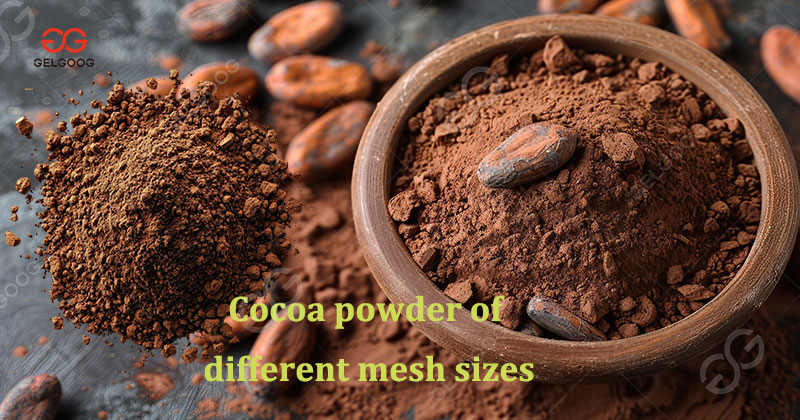
Untuk kawalan pengeluaran, sasaran praktikal yang digunakan dalam proses ini ialah mengekalkan kehalusan cecair koko secara ketat di bawah 200 mesh. Adalah penting untuk mengelakkan saiz mesh yang terlalu tinggi, kerana zarah yang terlalu halus akan menyebabkan cecair koko mustahil untuk ditekan. Ini harus dianggap sebagai sasaran kawalan pengeluaran berdasarkan proses penekanan tertentu, dan bukannya piawaian industri universal.
Perkara utama adalah untuk mengawal proses kisaran mengikut keseluruhan proses dan bukannya sekadar menyasarkan koko yang paling halus.
arak.
Mengapakah Suhu Penting Semasa Mengisar Koko?
Suhu ialah satu lagi faktor operasi yang perlu diambil kira semasa proses kisaran koko, terutamanya apabila kilang bebola digunakan.
Sistem pengilangan bebola yang diterangkan merangkumi fungsi pemanasan dan penyejukan. Dalam proses pengeluaran ini, suhu operasi dikawal pada kira-kira 75–80°C.
Keadaan suhu perlu kekal serasi dengan operasi pengisaran dan pengendalian minuman koko. Oleh kerana pengisaran, peredaran, dan pemprosesan seterusnya saling berkaitan, suhu harus dipertimbangkan bersama dengan masa mastautin, keamatan pengisaran, dan keperluan hiliran.
Julat 75–80°C yang diterangkan di sini mewakili keadaan operasi praktikal untuk proses pengeluaran khusus ini. Ia tidak seharusnya dianggap sebagai keperluan suhu universal untuk semua sistem pengeluaran cecair koko.
Bagi pemproses industri, pendekatan yang lebih berguna ialah menentukan julat operasi yang sesuai berdasarkan peralatan yang dipilih, bahan koko, kehalusan sasaran, dan peringkat pengeluaran seterusnya.
Bagaimanakah Anda Harus Memilih Konfigurasi Pengisaran Koko?
Pemilihan harus bermula dengan keperluan pemprosesan yang lengkap.
Pertama, sahkan bahan suapan. Untuk aplikasi ini, bahan utamanya ialah nib koko yang diperoleh selepas dikupas dan diangin.
Kedua, tentukan kapasiti pemprosesan yang diperlukan. Peralatan kisar hendaklah sepadan dengan kapasiti penyediaan nib di hulu dan kapasiti peralatan di hilir.
Siri LGJMS menyediakan julat kapasiti berikut:
| Model | Kehalusan | Kapasiti | kuasa | Dimensi | Berat badan |
|---|---|---|---|---|---|
| LGJMS-80 | mesh 80–100 | 70–100 kg/j | 4 kW | 680×380×930 mm | 210 kg |
| LGJMS-110 | mesh 80–100 | 100–200 kg/j | 7.5 kW | 750×450×1000 mm | 280 kg |
| LGJMS-130 | mesh 80–100 | 400–600 kg/j | 11–15 kW | 990×450×1100 mm | 400 kg |
| LGJMS-180 | mesh 80–100 | 800–1000 kg/j | 18.5–22 kW | 1000×480×1150 mm | 450 kg |
| LGJMS-240 | mesh 80–100 | 1500–2000 kg/j | 37–45 kW | 1330×650×1300 mm | 1000 kg |
| LGJMS-300 | mesh 80–100 | 3000–4000 kg/j | 75–90 kW | 1450×630×1420 mm | 1600 kg |
Pertimbangan seterusnya adalah kehalusan. Sekiranya hasil yang diperlukan boleh dicapai dengan peringkat pengisaran awal, konfigurasi kilang koloid mungkin sudah mencukupi. Sekiranya pengisaran halus tambahan diperlukan, kilang bebola boleh ditambah selepas peringkat pengisaran awal.
Akhir sekali, pertimbangkan keseluruhan barisan pengeluaran. Konfigurasi pengisaran yang dipilih harus berfungsi dengan proses pemanggangan dan penyediaan nib di peringkat hulu serta penekan mentega koko atau peralatan pemprosesan lain di peringkat hilir. Yang dipadankan dengan betul peralatan pemprosesan koko konfigurasi secara amnya lebih penting daripada memilih pengisar berdasarkan kapasiti nominal sahaja.
Oleh itu, proses pengisaran koko paling baik difahami sebagai peralihan terkawal daripada nib koko yang disediakan kepada cecair koko yang sesuai untuk peringkat pengeluaran seterusnya. Kapasiti, kehalusan, masa tinggal, suhu, dan keperluan hiliran semuanya mempengaruhi konfigurasi peralatan akhir.
Bagi pemproses yang membandingkan sistem pengisaran awal dengan konfigurasi pengisaran halus gabungan, titik permulaannya harus jelas: tentukan bahan suapan, kapasiti setiap jam yang diperlukan, kehalusan sasaran, dan proses hiliran sebelum memilih peralatan.
Proses kisaran koko menukar nib koko yang telah disediakan kepada cecair koko atau jisim koko. Bergantung pada kehalusan yang diperlukan, proses tersebut boleh menggunakan kilang koloid sahaja atau kilang koloid diikuti dengan kilang bebola.
Biji koko dikisar secara mekanikal sehingga saiz zarahnya dikurangkan dan mentega koko semula jadi menyumbangkan kepada pembentukan cecair koko yang boleh mengalir. Pengisaran selanjutnya boleh dijalankan dengan kilang bebola apabila kehalusan yang lebih tinggi diperlukan.
Kethalusan cecair koko harus sepadan dengan proses hiliran. Pemercikan yang berlebihan tidak semestinya bermanfaat, terutamanya apabila cecair koko akan memasuki proses pengepresan berikutnya. Kethalusan yang sesuai bergantung pada konfigurasi pengeluaran dan keperluan pemprosesan.
Tidak selalu. Kilang koloid mungkin sudah mencukupi apabila kehalusan yang diperlukan dapat dicapai pada peringkat pengisaran awal. Kilang bebola boleh ditambah apabila pengisaran halus tambahan dan kawalan yang lebih baik terhadap kehalusan likur koko akhir diperlukan.