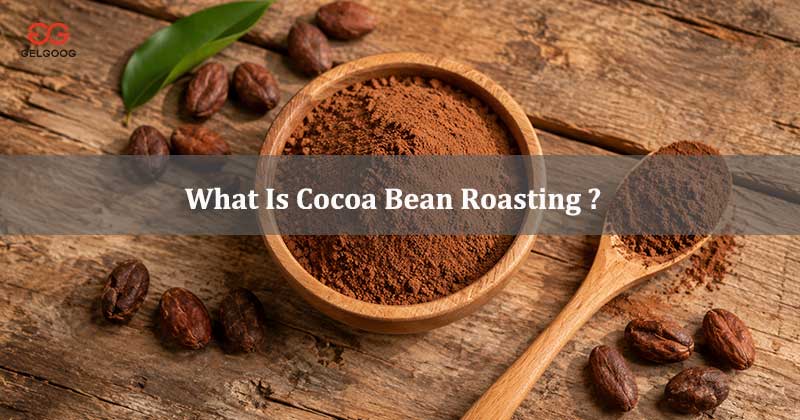
Обжарка какао-бобов представляет собой контролируемый термический процесс, который формирует аромат и вкус, одновременно снижая влажность и подготавливая бобы к дальнейшей переработке. В промышленном производстве стабильные результаты зависят не только от температуры. Скорость подачи, толщина слоя материала, воздушный поток, распределение тепла и время пребывания должны работать в комплексе для достижения воспроизводимого профиля обжарки.
Что такое обжарка какао-бобов?
Обжажка какао-бобов обычно выполняется после ферментации и сушки. Во время нагревания удаляется влага, а химические реакции преобразуют предшественники вкуса, образовавшиеся в ходе ферментации. Реакции Майяра и другие термические реакции способствуют появлению аромата жареного какао, ореховых и других желаемых оттенков аромата.
Обжарка также позволяет изменить структуру и оболочку зерна, подготавливая материал к последующему дроблению, веянию и измельчению. Цель состоит не просто в нагревании зерен, а в достижении необходимого сочетания снижения влажности, развития вкуса и физических изменений без чрезмерной термической обработки.
Как работает процесс обжарки какао-бобов?
Типичный процесс обжарки какао-бобов:
Очистка → Сепарация → Обжарка → Охлаждение → Веялка
Во время обжарки тепло передается от нагретого воздуха к какао-бобам, в то время как влага испаряется. Поток воздуха должен эффективно распределять тепло по слою продукта, в то время как время пребывания определяет, как долго бобы остаются подверженными температурному воздействию.
Поскольку ферментация создает важные предшественники вкуса, обжарка играет ключевую роль в преобразовании этих соединений в характерный профиль аромата, присущий обжаренному какао.
Температура и время обжарки какао-бобов
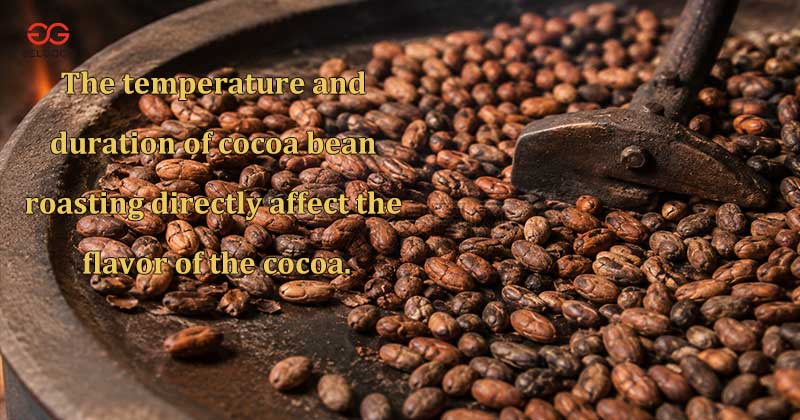
Не существует единой температуры или времени обжажки, подходящих для каждого какао-боба. Содержание влаги, размер зерен, плотность, ферментация, происхождение, желаемый вкусовой профиль, поток воздуха и конструкция ростера — все это может повлиять на необходимые условия.
Широкий диапазон температур примерно от 100 до 150 °C может наблюдаться при обжарке какао-бобов, однако это не следует рассматривать в качестве универсального промышленного режима.
Например, время выпечки какао может соответствовать следующим стандартам:
| Степень обжарки | Температура | Время |
| Низкий | 110°C | 40–50 мин |
| Средний | 120°C | 30–40 мин |
| Высокий | 130°C | 25–30 мин |
Эти значения являются стандартизированными опорными условиями, а не универсальными рекомендациями по производству.
Для промышленной обжарки при разработке профиля обжарки необходимо оценивать в совокупности температуру, время выдержки и теплопередачу.
Что обеспечивает стабильность температуры и времени промышленной обжарки какао-бобов?
Равномерность обжарки становится более сложной задачей по мере увеличения объемов производства. Если слой материала слишком толстый или неравномерный, некоторые зёрна могут получать меньше тепла, чем другие. Аналогичным образом, нестабильный воздушный поток может создавать различия в теплопередаче по всей транспортирующей поверхности.
Поэтому эффективная промышленная система обжарки требует скоординированного управления следующими параметрами:
Материальный поток → Толщина слоя материала → Температура → Воздушный поток → Распределение тепла → Время пребывания → Охлаждение
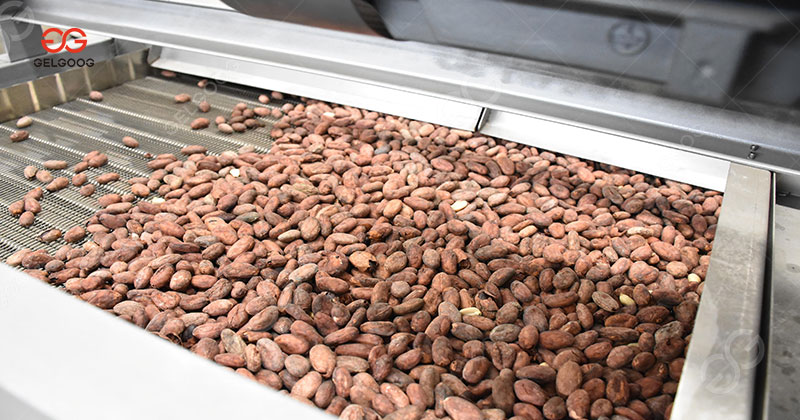
Система обжарки нашей компании использует устройство взвешивания и подачи, состоящее из промежуточного бункера-накопителя, выпускного клапана, весового бункера, выпускного клапана и приемного бункера. Эта система регистрирует объем обрабатываемого материала и регулирует поток сырья, помогая сбалансировать разницу между скоростью предварительной и последующей обработки.
В секции обжарки в качестве стандартной конфигурации используются две воздушные камеры, причем система может компоноваться параллельно из 4, 6 или 8 камер в соответствии с требованиями производственной линии. У загрузочного отверстия какао-бобы могут распределяться по конвейерной поверхности при контролируемой высоте слоя материала, что обеспечивает более прогнозируемый теплообмен.
Внутри воздушных камер горячий воздух смешивается для улучшения распределения перед тем, как достичь продукта. В сочетании с регулируемым воздушным потоком это позволяет осуществлять нагрев с разных направлений и помогает адаптировать условия обжарки к различным материалам.
Температуру также можно регулировать поэтапно, а не полагаться на одну фиксированную настройку на протяжении всего процесса. Отзывы клиентов свидетельствуют о поддержании температурного режима в пределах примерно ±1° при соответствующих условиях эксплуатации.
Остальное оборудование способно выполнять как обжарку, так и сушку. Встроенный модуль очистки, установленный под воздушными камерами, может очищать конвейерную ленту во время работы с помощью щеток, губок или промывки водой. Поддержание чистоты конвейерной поверхности помогает уменьшить накопление остатков и риск нежелательного переноса вкуса.
При какой температуре следует обжаривать какао-бобы?
Универсальной температуры обжарки не существует. Промышленные условия зависят от влажности, размера, плотности зерен, ферментации, желаемого вкусового профиля, воздушного потока и конструкции оборудования. В эталонных протоколах обжарки могут использоваться температуры около 100–150°C, однако коммерческие параметры должны устанавливаться в соответствии с конкретным сырьем и технологическими требованиями.
Периодическая обжарка какао-бобов в сравнении с непрерывной
Периодические обжарочные машины для какао-бобов могут обеспечить гибкость, когда требуются различные профили обжарки или небольшие объемы производства. Непрерывные обжарочные машины для какао-бобов рассчитаны на стабильный поток сырья и могут быть интегрированы в более крупные автоматизированные технологические линии.
Ни один из подходов не является универсально лучшим. Подходящая конфигурация зависит от объемов производства, характеристик сырья, требований к профилю обжарки и особенностей сопутствующей технологической линии.
Как выбрать промышленную машину для обжарки какао
При оценке машина для обжарки какао-бобов, покупателям следует учитывать не только номинальную производительность. К ключевым факторам относятся контроль скорости подачи, распределение слоя материала, точность температуры, регулируемый воздушный поток, распределение тепла, контроль времени пребывания, охлаждение, очистка и интеграция с последующим оборудованием.
Для переработчиков, планирующих линию промышленной переработки какао, систему обжарки следует выбирать в зависимости от сырья, целевого профиля обжарки, производственных требований и общей конфигурации процесса.
Выбор правильного оборудования для обжарки какао-бобов
Выбор промышленной машины для обжарки какао-бобов требует большего, чем просто сравнение диапазонов температур или номинальной производительности. Контроль подачи, распределение слоя материала, воздушный поток, теплопередача, время пребывания, очистка и интеграция с последующей технологической линией — все это влияет на конечный результат обжарки.
Планируете новую линию по переработке какао или модернизацию существующей системы обжарки? Свяжитесь с Cocoa Machinery, чтобы обсудить характеристики ваших какао-бобов, производственные требования и целевой профиль обжарки. Наша команда поможет вам подобрать подходящую конфигурацию обжарочного оборудования для ваших задач.
ЧаВо
Время обжарки варьируется в зависимости от характеристик зерен, температуры, потока воздуха, загрузки материала и требуемого профиля обжарки. При стандартных испытаниях могут использоваться фиксированные показатели времени, например 35 минут, однако в промышленном производстве время пребывания в аппарате требует регулировки в зависимости от оборудования и желаемых результатов обработки.
Важными факторами являются содержание влаги, размер зерен, плотность, ферментация, температура, время пребывания, воздушный поток и толщина слоя материала. Неравномерная загрузка или распределение тепла могут привести к различиям в интенсивности обжарки, поэтому промышленные системы требуют скоординированного контроля подачи, воздушного потока и температуры.
Оцените производительность, регулировку скорости подачи, распределение слоя материала, контроль температуры и воздушного потока, равномерность нагрева, время пребывания, охлаждение, очистку и интеграцию с остальной частью линии переработки какао. Правильная конфигурация зависит от сырья, целевого профиля обжарки и производственных требований.